What if the UK government took a more proactive approach to preserve biodiversity?
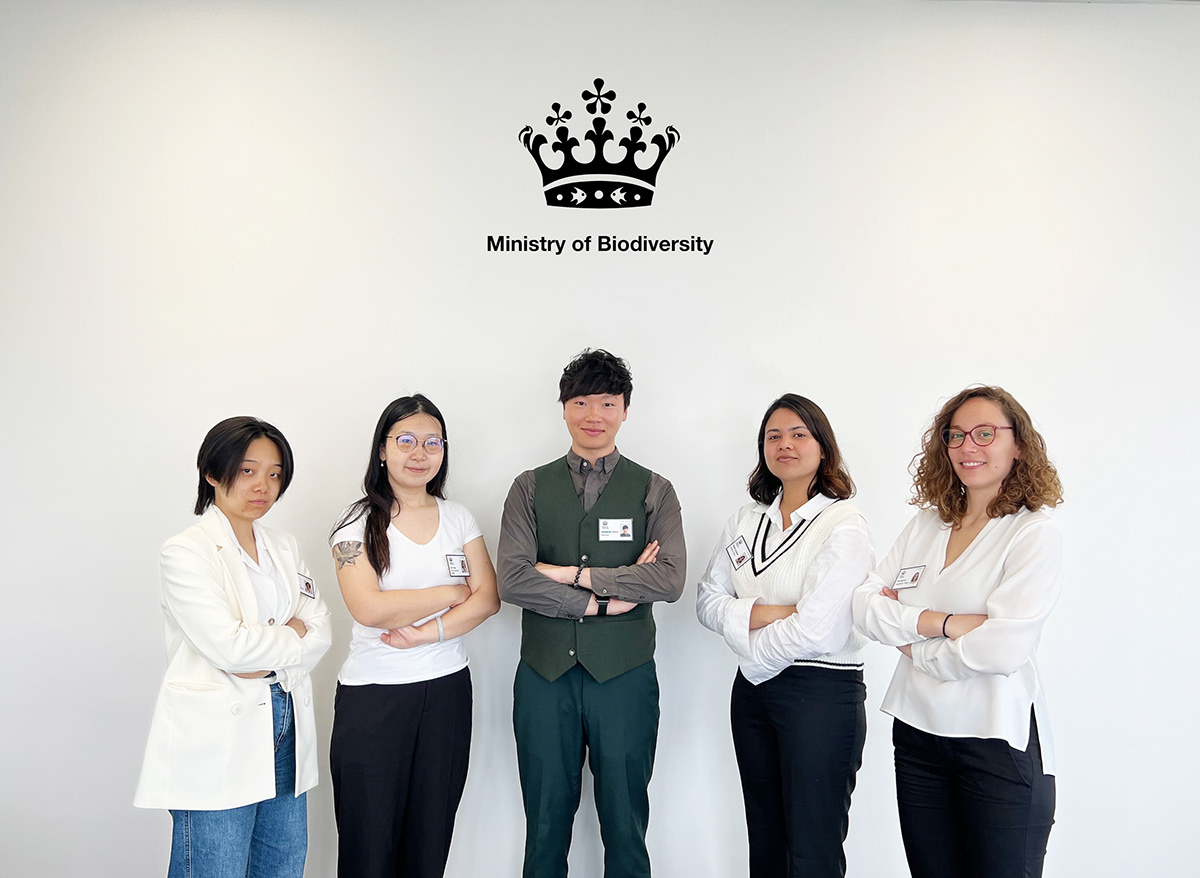
Ministry of Biodiversity 2035: A speculative proposal for a new UK Ministry that takes a more proactive approach towards preserving and recovering biodiversity through a series of policies.
London, 2023 | Client: UK Government Digital Service
My role: Team member, as part of the MA Service Design (UAL). This was a Masters project with a real client. The activities showcased below were carried out as a team of 5, mainly consisting of desk research, ideation, rapid prototyping, testing and iteration through a Design Futures methodology. I personally took a leading role in certain tasks, such as project management and team meeting facilitation, and project presentation to the client.
THE BRIEF
The Government Digital Service (GDS), the organism responsible of maintaining GOV.UK, the official website to find services and information from the UK government, aimed at gaining skills around Design Futures, Speculative Design and Futures Visioning to help their employees envision alternative futures so they take a more anticipatory design approach when developing the content and formats of the GOV.UK website.
Our role was to use Design Futures methodologies to prototype provocative visions of the future in the UK and test them with London residents. The prototypes’ main goal was to serve as a vehicle to engage in meaningful conversations about the future with residents.
THE FICTIONAL FUTURE PROPOSED
It is 2035. As a result of a startling decline in biodiversity, the UK government is compelled to take a more proactive approach to preserve biodiversity by establishing the Ministry of Biodiversity, who proposes three fictional pilot policies to tackle biodiversity loss:
A Nature Recovery Season, which is a campaign to protect urban natural areas by banning human access during prolonged periods.
A Biodiversity Conservation Certificate, which residents receive after 300 hours of training and biodiversity preservation works and that is required to access certain spaces, for instance, higher education.
A Bill of Multispecies Rights, which grants legal rights to non-human species and allows the Attorney General’s Office to legally prosecute those harming biodiversity, especially big corporations with higher impacts.
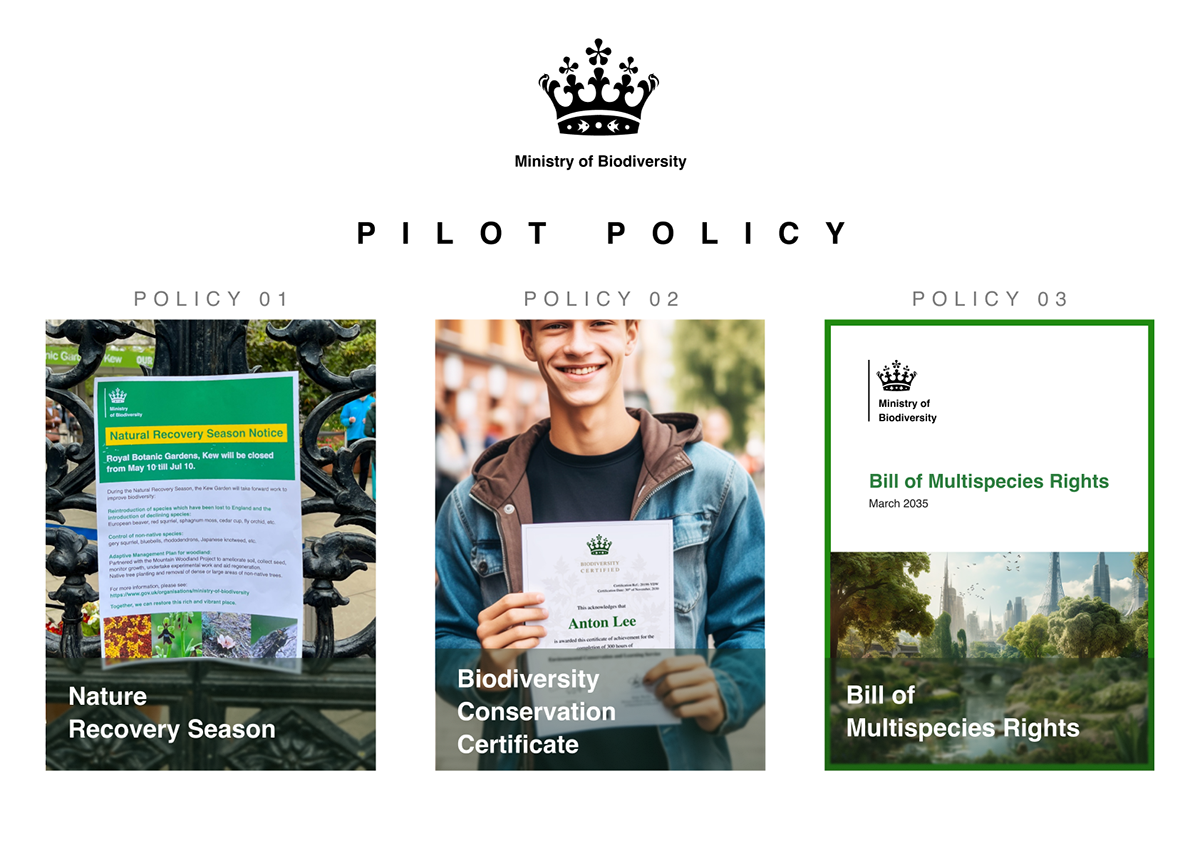
(Click images to see the descriptions)
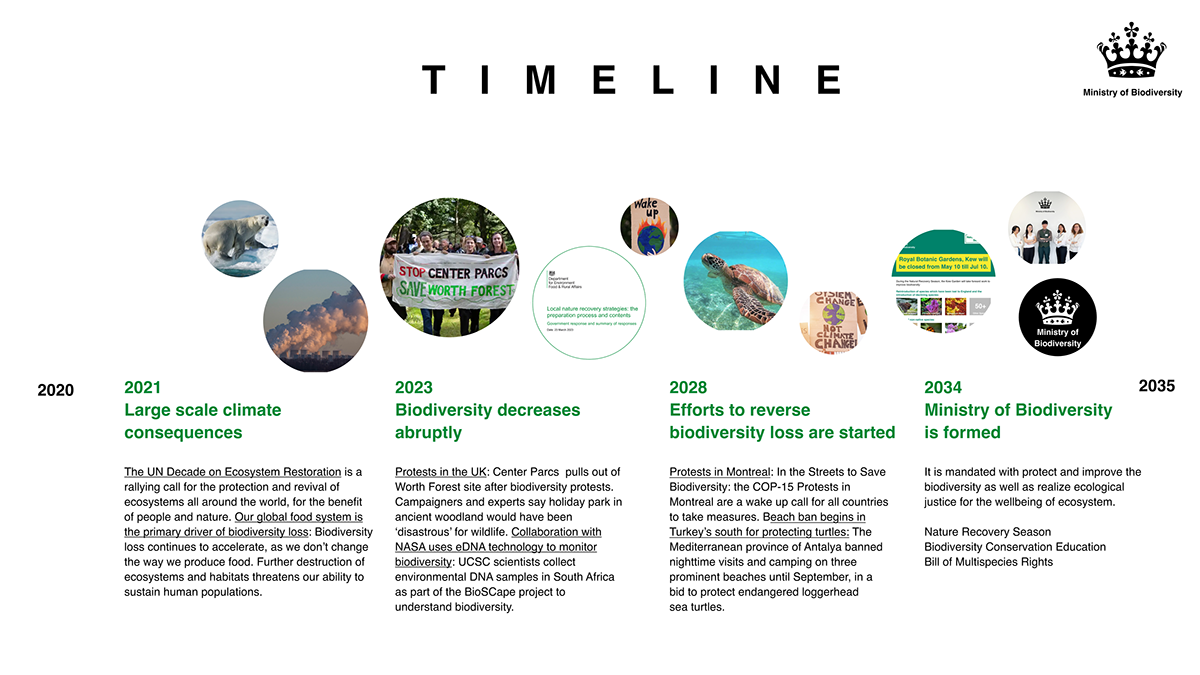
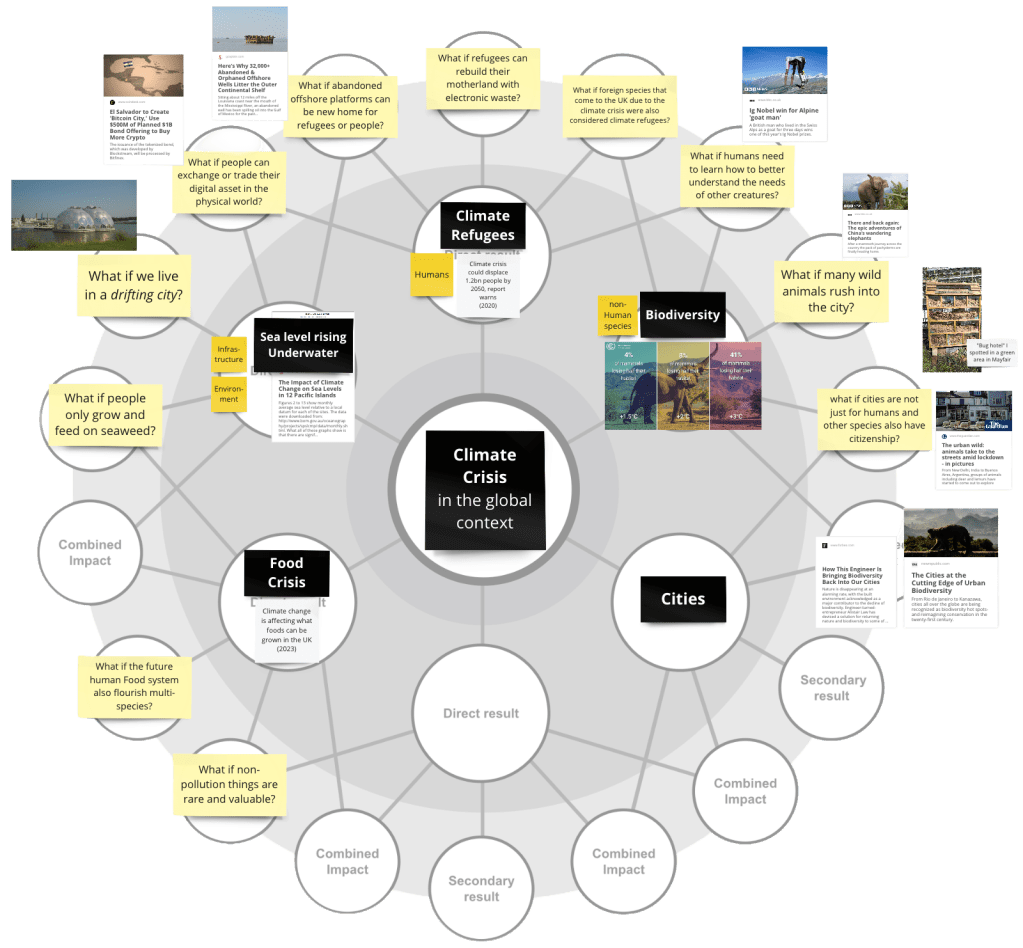
The decision to focus on this topic was informed by a Horizon Scanning showing various reports about biodiversity loss— According to the WWF wildlife has decreased up to an average of 69% worldwide between 1970 and 2018 (2022) — as well as initial signs of a behavioral shift towards this topic, with increasing social demands for political action.
We used a Futures Wheel to brainstorm possible futures by linking topics around climate emergency extracted from a Horizon Scanning exercise to identify weak signals of change:
THE PROCESS
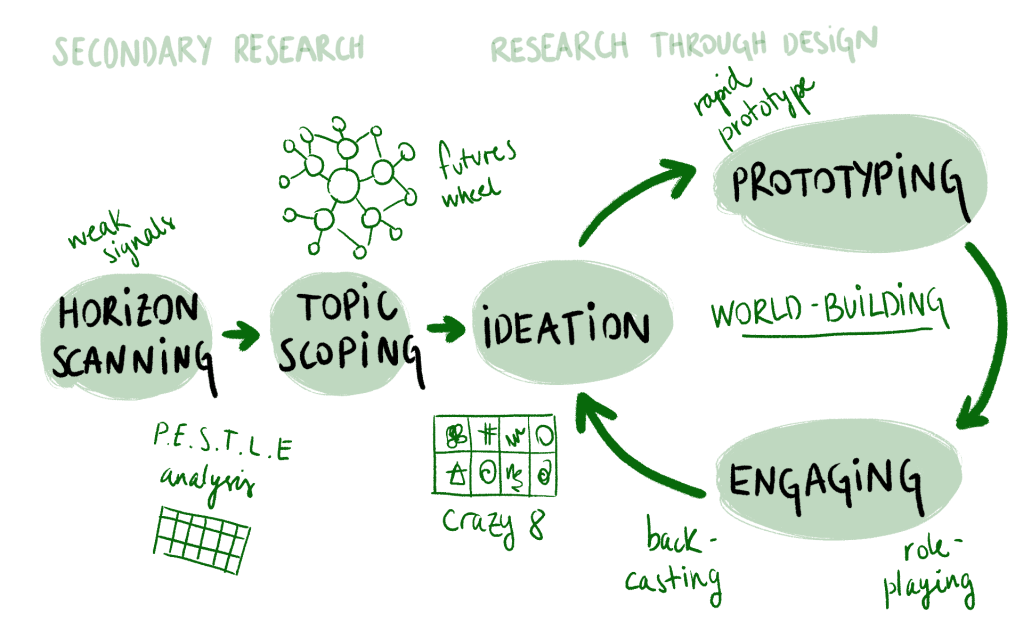
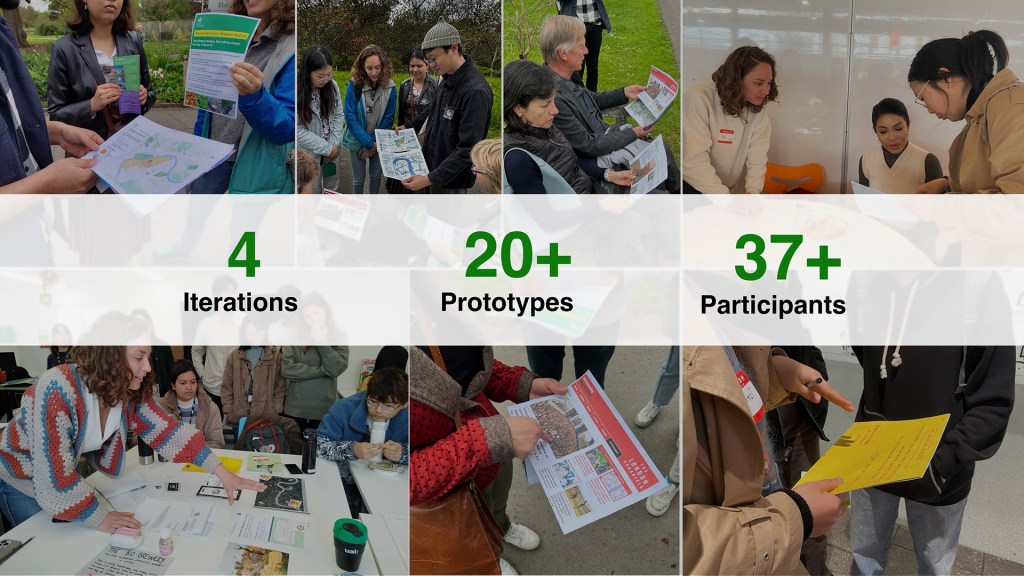
We used a Design Futures methodology, with initial secondary research followed by an iterative process consisting of multiple engagements with London residents to inform the collective preferable futures we were portraying. This allowed us to have a highly iterative approach into the design of the fictional pilot policies.
THE DELIVERY
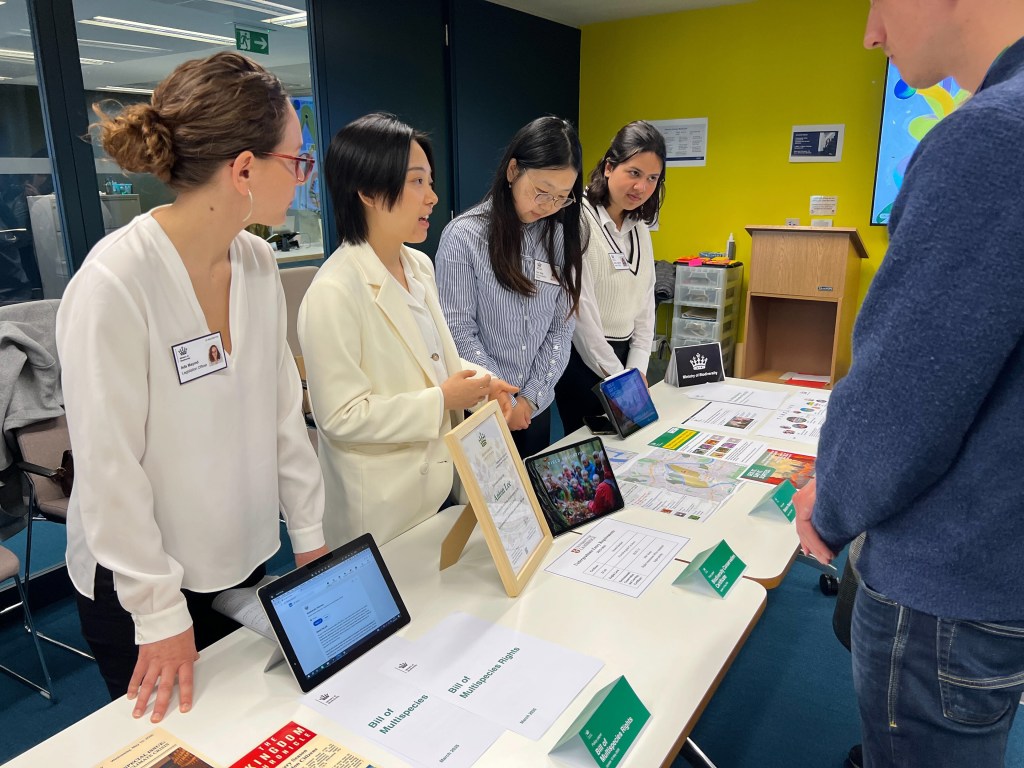
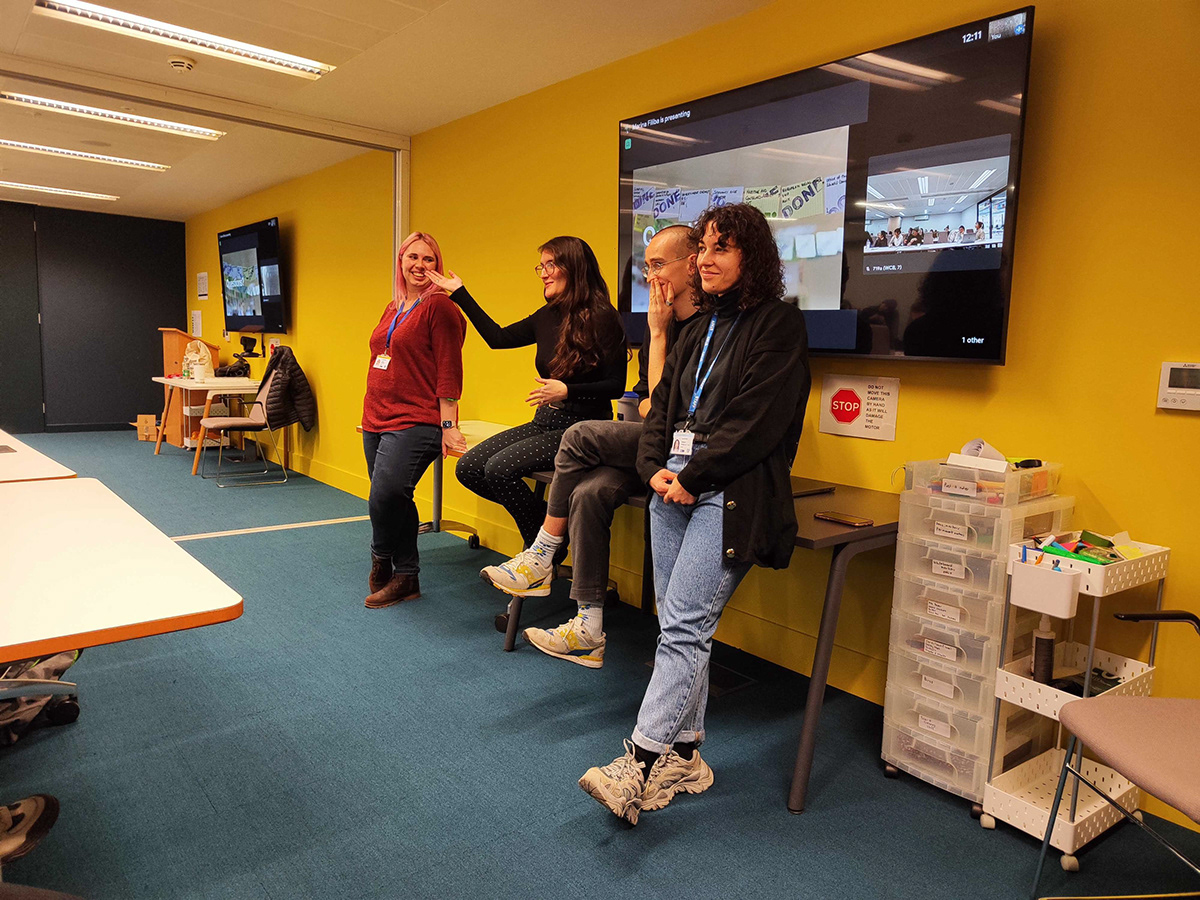
As a highly speculative project, which’s main goal was to build Design Futures capacity within a government team, the main delivery action was a Show & Tell event organised at GDS’s headquarters, where employees had the chance to interact with the envisioned preferable futures and reflect on their own work and practice.
Previous to the Show & Tell, two sessions were held: a collective briefing and framing session, and an intermediate feedback session.
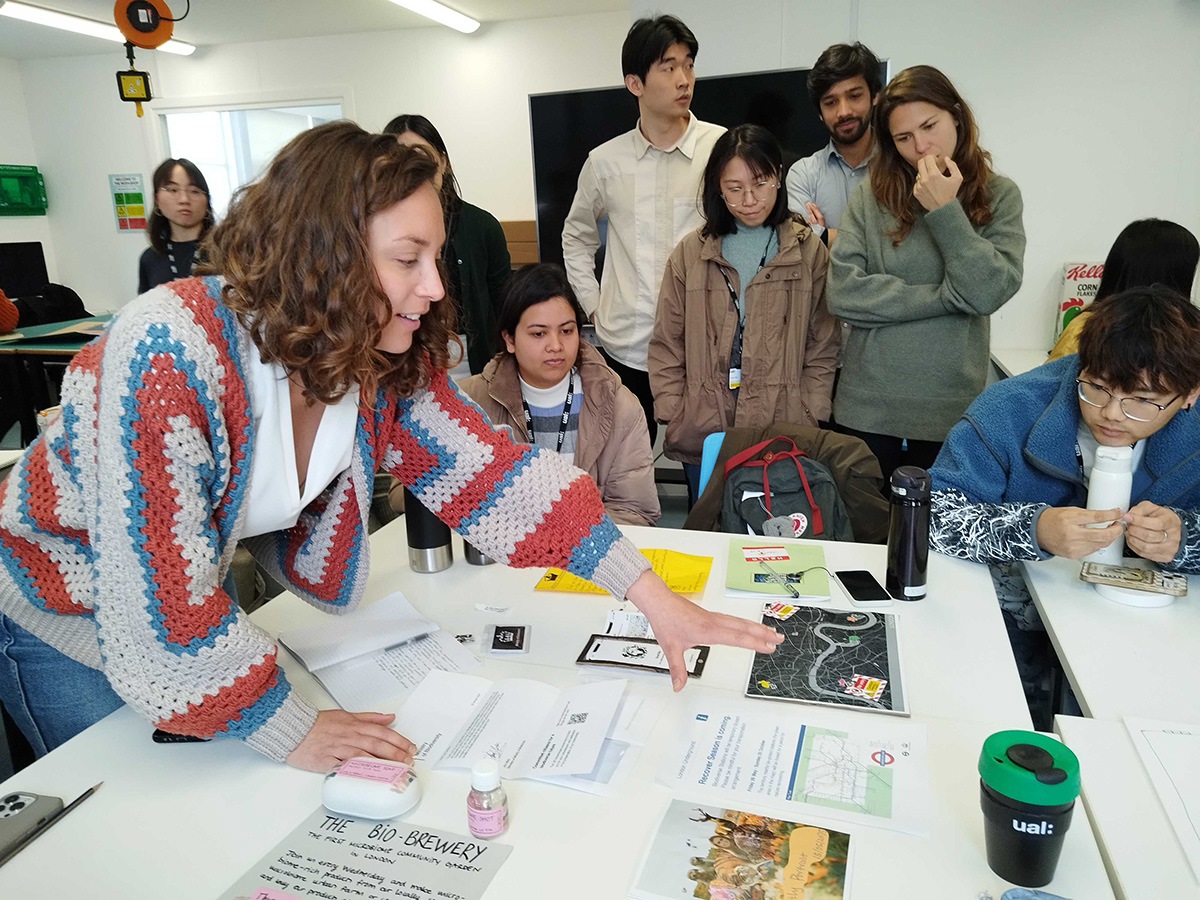
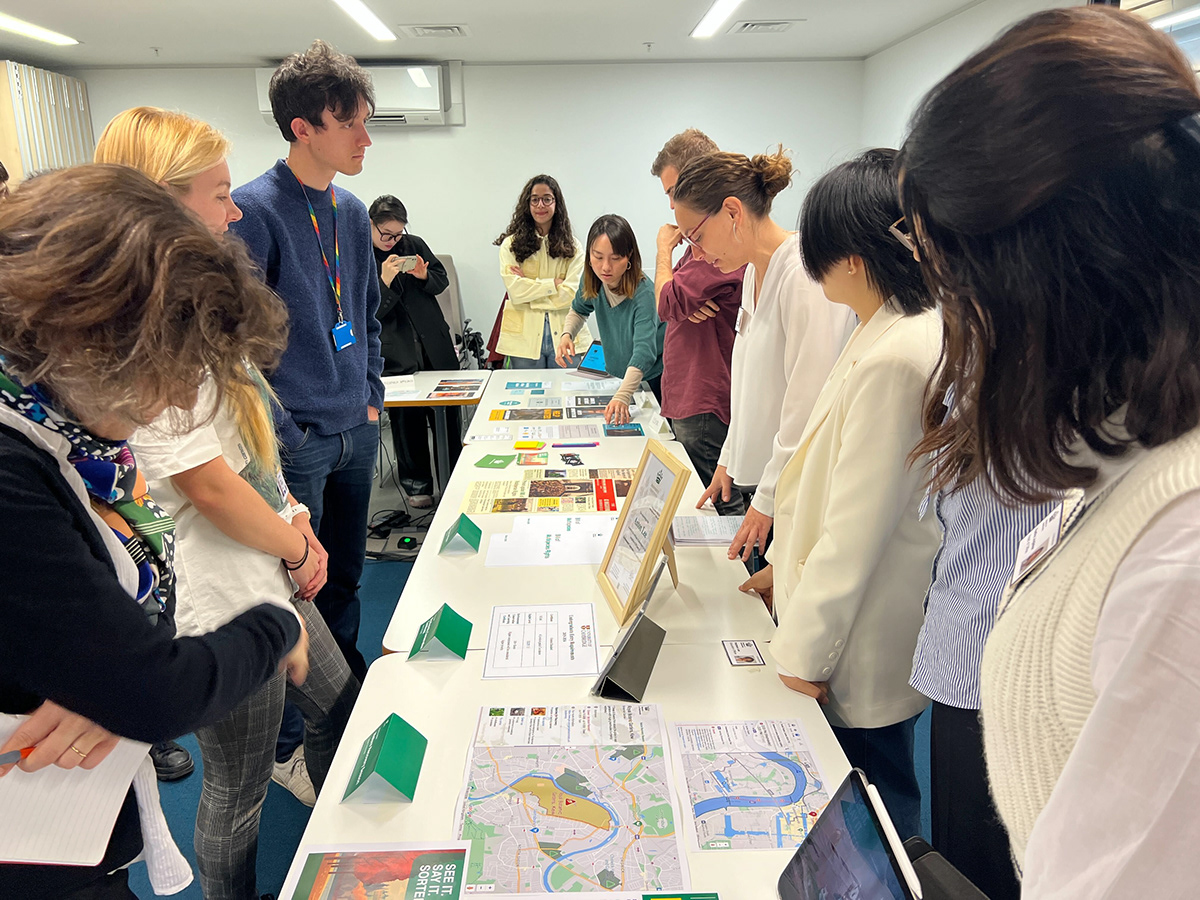
(Click images to see the descriptions)
 Ada Maymó Costa